When the Rules Change, Do You Have a Say?

Last time, we talked about who decides what your work is worth.
But wages are only part of the conversation.
Who decides the rules you work under every day?
Schedules. Hours of work. Job classifications. Assignments. Overtime. Workplace policies. Discipline. How seniority is recognized.
Without a collective agreement, many of these decisions remain in the hands of the employer.
A collective agreement changes that relationship
When workers join Unifor, you elect your own bargaining committee and decide together what improvements you want to bring to the bargaining table.
The goal is to negotiate a legally binding collective agreement that establishes clear rules and protections for everyone.
That can include language covering:
- Scheduling and hours of work
- Overtime and how it is distributed
- Job classifications and duties
- Seniority and job postings
- Vacation and leaves
- Discipline and termination
- Health and safety
- A grievance procedure when the agreement isn't followed
The specific language isn't decided by Unifor. It's negotiated by you and your coworkers based on what is important at Roy Thomson Hall and Massey Hall.
And when bargaining is finished, you get to vote on whether to accept the agreement.
Rights are stronger when they're in writing
A workplace policy can be changed.
A promise can be forgotten.
But a collective agreement gives workers enforceable rights and a process to hold the employer accountable when those rights aren't respected.
A union isn't only about negotiating better wages. It's about having a real say in the rules that govern your working life.
If you haven't signed your Unifor membership card yet, now is the time.
Sign your card and help build a stronger voice at Roy Thomson Hall and Massey Hall.
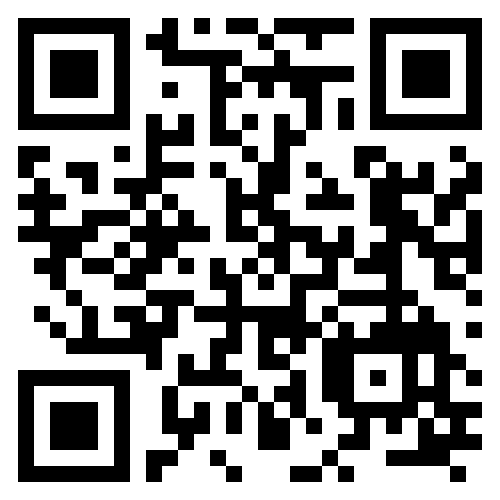
Scan or CLICK to Sign your Unifor membership Card

Billy O’Neill
Unifor National Representative, Organizing
📞 416.605.1443
✉️ [email protected]
Lucy Alessio
Unifor National Coordinator, Organizing
📞 416.998.3189
✉️ [email protected]


